
Centrifugal Flow and Ring Alignment in Maze Rotator
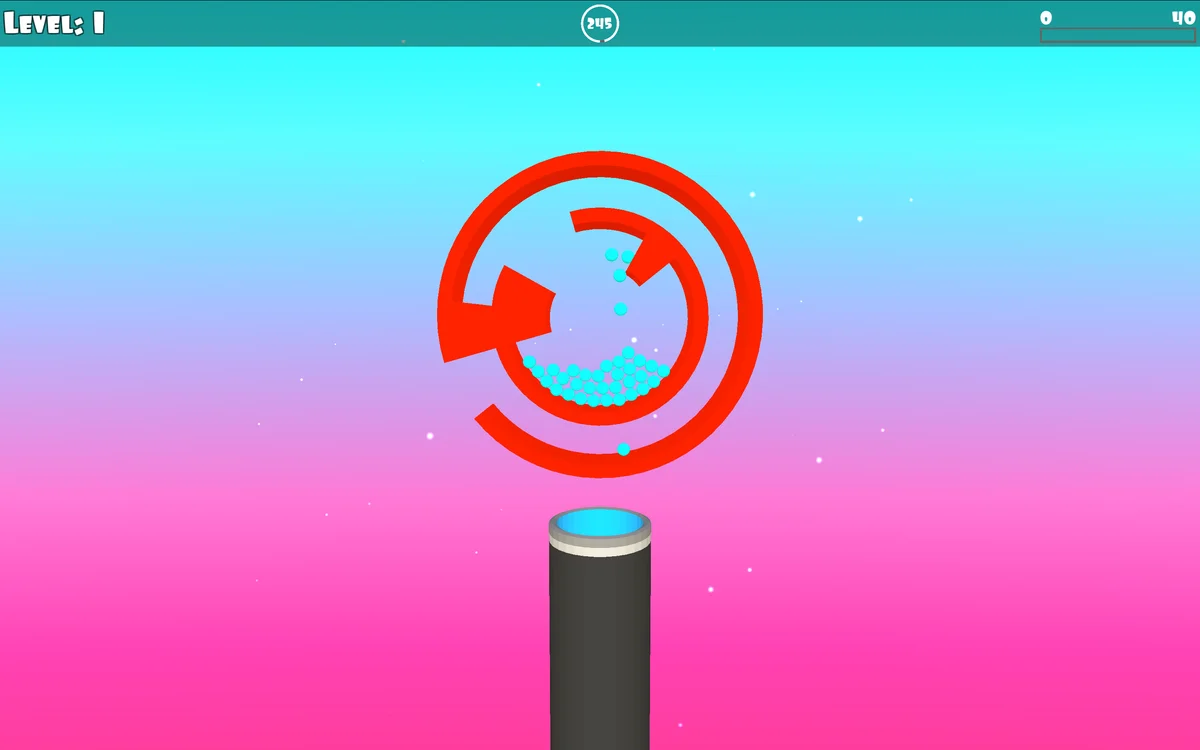
Maze Rotator takes the classic circular labyrinth and makes it dynamic. Instead of rolling a ball through static corridors, you rotate concentric circular rings around a central target. Gravity pulls the ball downward toward the bottom of the screen, meaning the sphere will naturally drop through any gap that rotates into the lower quadrant. Your mission is to spin the maze rings so that openings align, allowing the ball to cascade inward toward the core.
The twist lies in rotational physics. As you turn the maze, the ball experiences both gravity and the frictional drag of the curved ring walls. If you spin the maze too vigorously, centrifugal force pushes the ball outward, or momentum carries it sliding past the very opening you were trying to reach.
Reading Outer Versus Inner Ring Gaps
The outermost rings offer wide, gentle curves that give the ball plenty of room to roll. In these outer sections, mistakes are easy to correct because the travel distance between gaps is relatively long. However, as the ball drops into the tighter inner rings, the curvature sharpens drastically. In the inner tiers, a small rotational adjustment produces a large shift in the ball relative position.
Before you drop the ball from an outer ring into an inner one, look one layer deeper. Check where the next inner aperture sits. If that aperture is currently located at the top of the ring, dropping the ball now means it will get trapped in the lower trough of that ring, requiring you to rotate the entire structure 180 degrees while keeping the ball balanced. Aligning two rings ahead of time creates a clean, multi-layer drop that bypasses awkward balance maneuvers.
Managing Roll Inertia Before It Commits
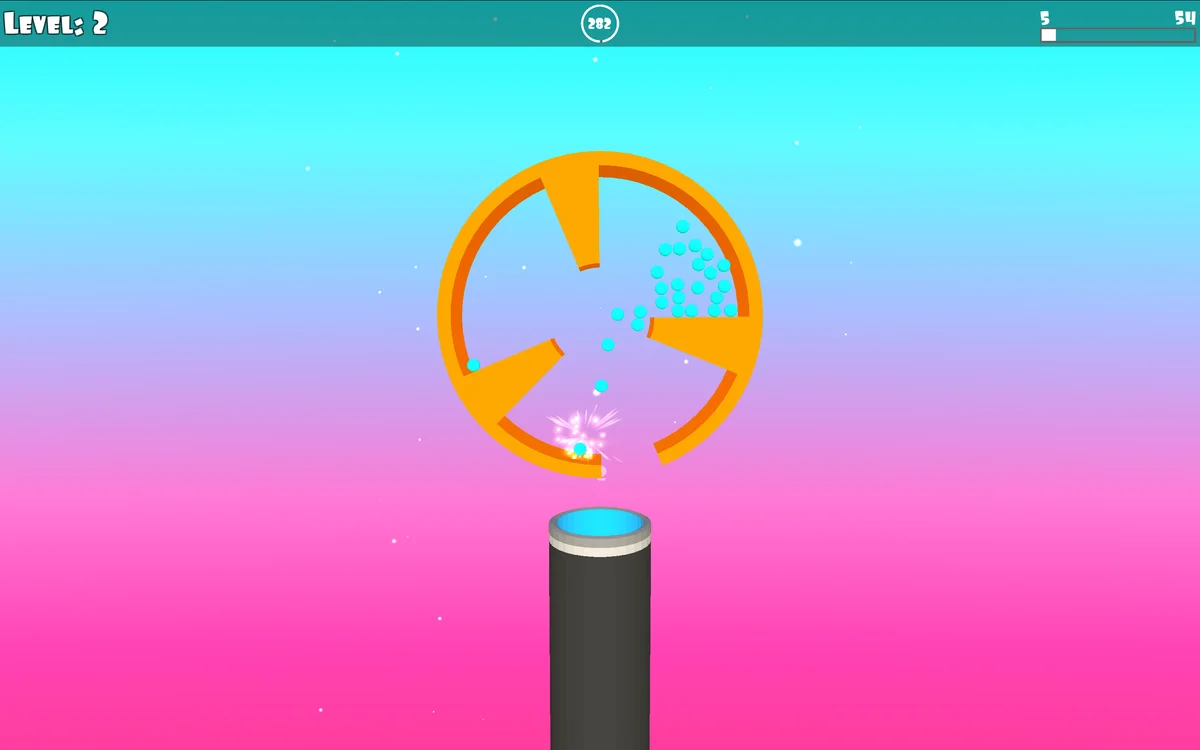
When the ball drops from one ring to the next, it hits the lower surface with downward velocity. That impact can cause the ball to bounce or roll rapidly along the curve. If the next opening happens to be right near the landing spot, the ball can skip clean over the gap before falling through.
To prevent skipping, stop rotating the maze the moment the ball makes contact with a new ring. Let the ball roll to a natural stop at the lowest point of the curve. Once the ball is settled and motionless, resume your rotation slowly, bringing the target opening directly to the ball. This controlled stop-and-turn rhythm ensures the ball falls cleanly through every opening without unexpected deflections.
Recovering from Overshot Rotations
If you rotate past an opening by mistake, do not jerk the maze back in the opposite direction immediately. Sudden reversals throw the ball into an erratic pendulum swing. Instead, allow the ball to roll smoothly up the curved wall and let gravity pull it back down naturally. Once the swing dampens, make your gentle corrective turn.
On mobile devices, rotate using circular gestures around the perimeter of the screen rather than dragging across the center. This keeps your fingers from blocking the ball and gives you finer control over the rotation speed. Deliberate, calm rotations turn what could be a chaotic bounce puzzle into a satisfying display of gravitational navigation.