
Gravity Tilt and Momentum Control in Level Rotator
Level Rotator inverts standard puzzle mechanics: instead of controlling the ball directly, you rotate the physical world around it. Clicking and dragging tilts the structural beams and platform corridors, causing gravity to pull the rolling sphere toward the lowest point. While the concept sounds straightforward, the ball carries real physical momentum, meaning that turning the board too far or too fast can easily launch the sphere off the track entirely.
Success in Level Rotator is about patience and fine motor control. The game rewards small, calculated tilts that let gravity do the work gradually, rather than frantic full-circle spins. Learning how the ball accelerates on different inclines is the foundation of every clean run.
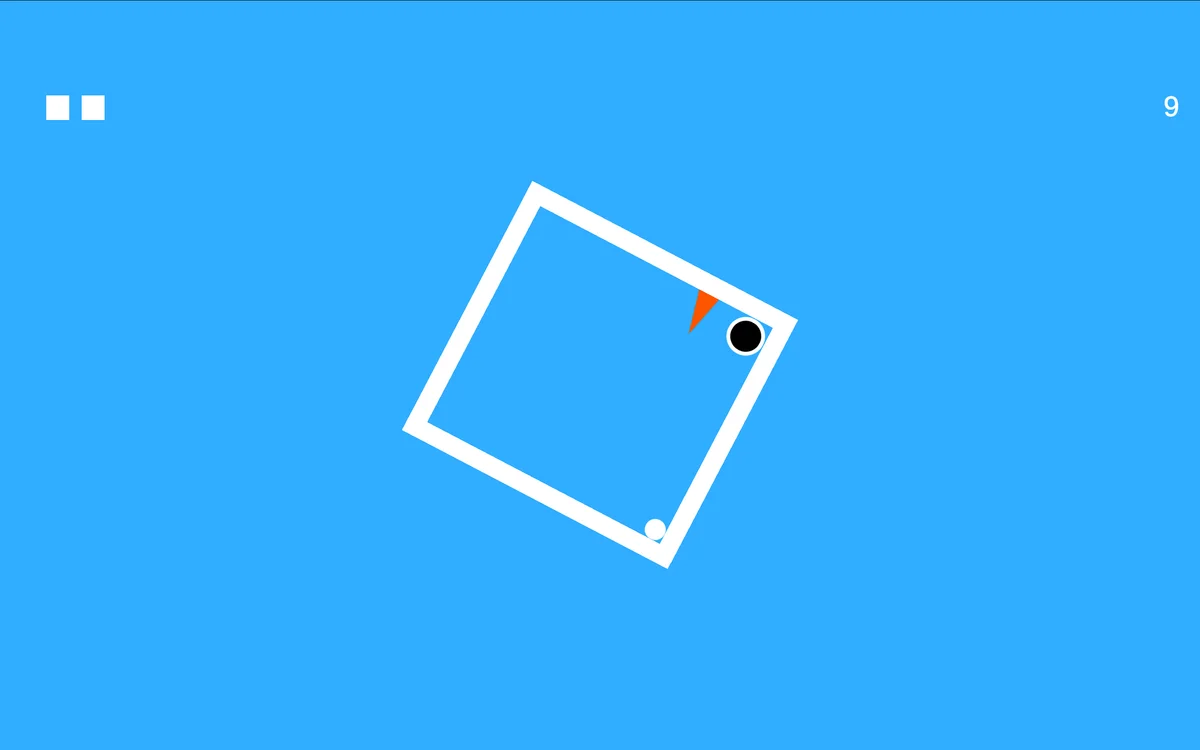
Micro-Adjustments Versus Aggressive Tilt Angles
When you tilt the board by just ten or fifteen degrees, the ball begins rolling at a manageable speed. At this velocity, you have ample time to react if a sudden obstacle or pit appears ahead. If you tilt the board by forty-five degrees or more, the ball accelerates rapidly, building up kinetic energy that makes stopping or redirecting nearly impossible.
Use shallow angles for normal navigation. Reserve steep tilts strictly for moments where you must roll up an incline or launch across a designated jump gap. Whenever you see a narrow passageway lined with spikes or drop-offs, flatten the board slightly to bleed off excess velocity before entering the danger zone.
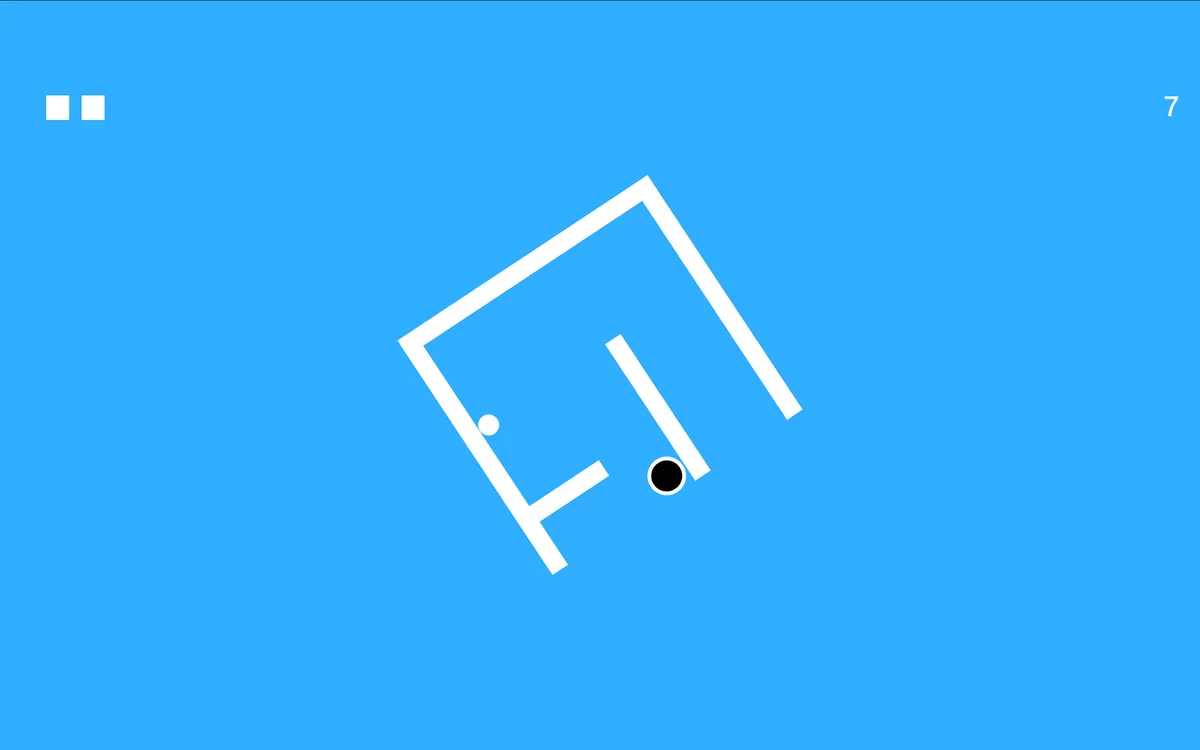
Controlling Ball Roll Speed Around Hazard Gaps
Throughout the stages, you will encounter moving obstacles, gaps in the floor, and spinning blades. Passing these hazards requires precise timing. Rather than rushing past a hazard at top speed, practice parking the ball in a safe pocket. By tilting the platform so the ball rests against a wall or small indentation, you can hold your position indefinitely while observing the obstacle movement pattern.
Once the hazard opens, tilt the board smoothly to roll through the clearance window. Counter-steer immediately as soon as the ball clears the hazard. Counter-steering involves tilting the board in the opposite direction for a fraction of a second to act as a brake, arresting forward momentum before the ball rolls into the next pit.
Handling Articulated Joint Transitions
Higher stages introduce articulated beams that flex or pivot independently as you turn the level. These joints create uneven surfaces where the ball can bounce or catch on raised lips. When rolling across an articulated joint, keep the transition as level as possible so the ball glides smoothly from one beam to the next without catching air.
On touchscreens, rotate the level by placing two fingers or using a smooth circular drag near the screen border. Avoid making sudden jerky swipes across the center of the display, which can cause erratic rotational spikes. Smooth, continuous gestures provide the exact degree of angular precision required to guide the sphere safely into the exit goal.