Jigsaw Assembly and Frame Construction in Epic Hero Puzzle
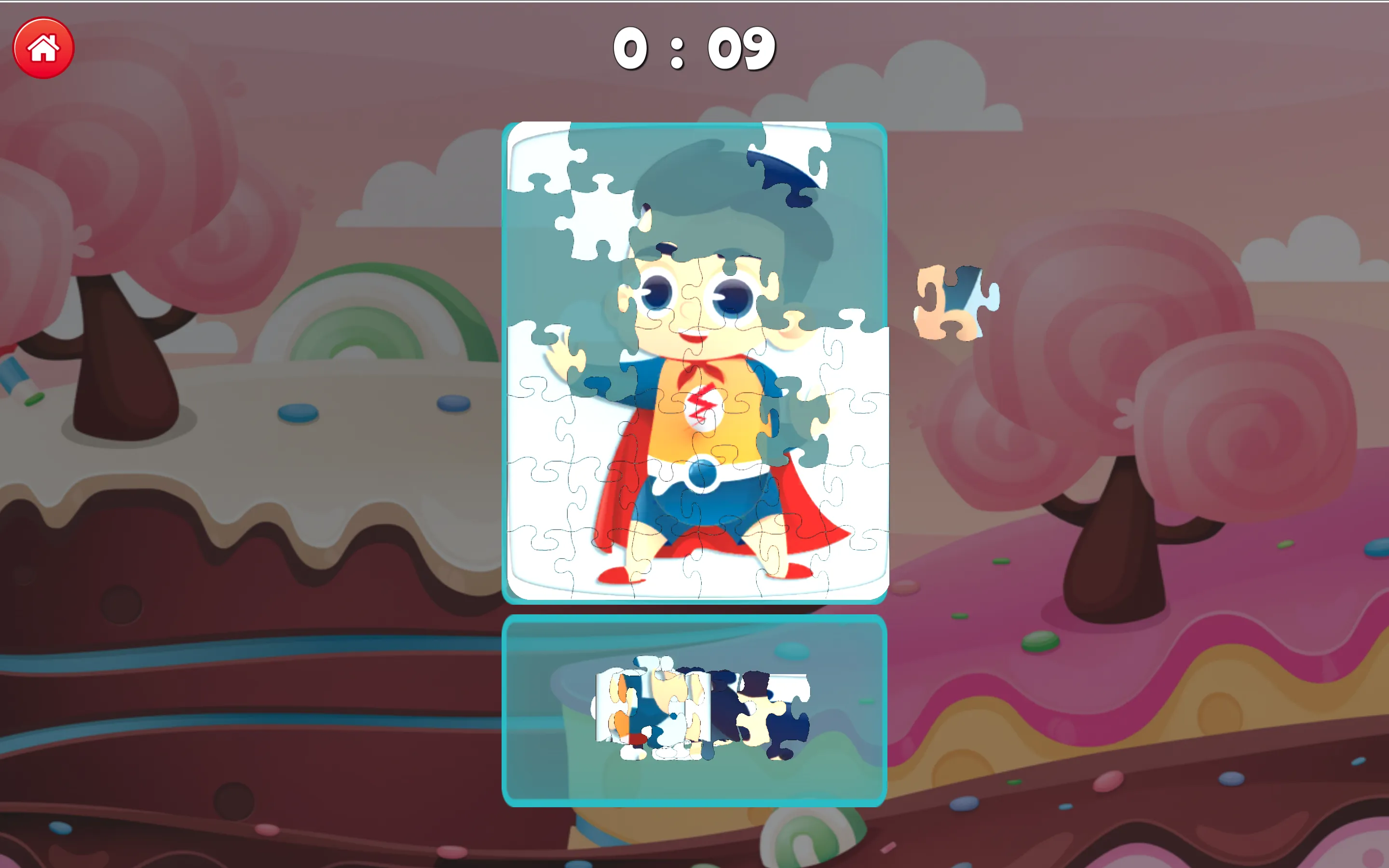
Epic Hero Puzzle combines the classic charm of tabletop jigsaw puzzles with vibrant fantasy character illustrations. Each stage presents you with a rich digital painting: armored knights wielding glowing claymores, mystical sorceresses channeling elemental magic, agile elven archers, and menacing dragon bosses. But instead of resting intact, the artwork has been shattered into dozens of interlocking jigsaw fragments scattered across the workspace.
Your objective is to drag and snap every fragment into its proper slot on the canvas before the round timer reaches zero. While casual puzzlers often dive into the middle of the board trying to piece together a hero face, succeeding under strict blitz time limits requires a systematic, professional jigsaw strategy.
The Frame-First Rule: Corners and Straight Edges
Every experienced jigsaw puzzler knows that you always build the frame first. Inspect the scattered pieces resting in your tray and on the outer margins of the table. Look specifically for pieces with one flat, straight edge. These flat edges belong exclusively to the four outer borders of the picture.
Pay special attention to corner pieces: they possess two perpendicular straight edges. There are exactly four corner pieces in every rectangular puzzle. Once you identify and snap the four corners into place, connect the remaining straight-edged pieces between them. In less than twenty seconds, you establish the full boundary of the artwork. This outer frame defines the exact proportions of the image and gives you solid anchor points to build inward.
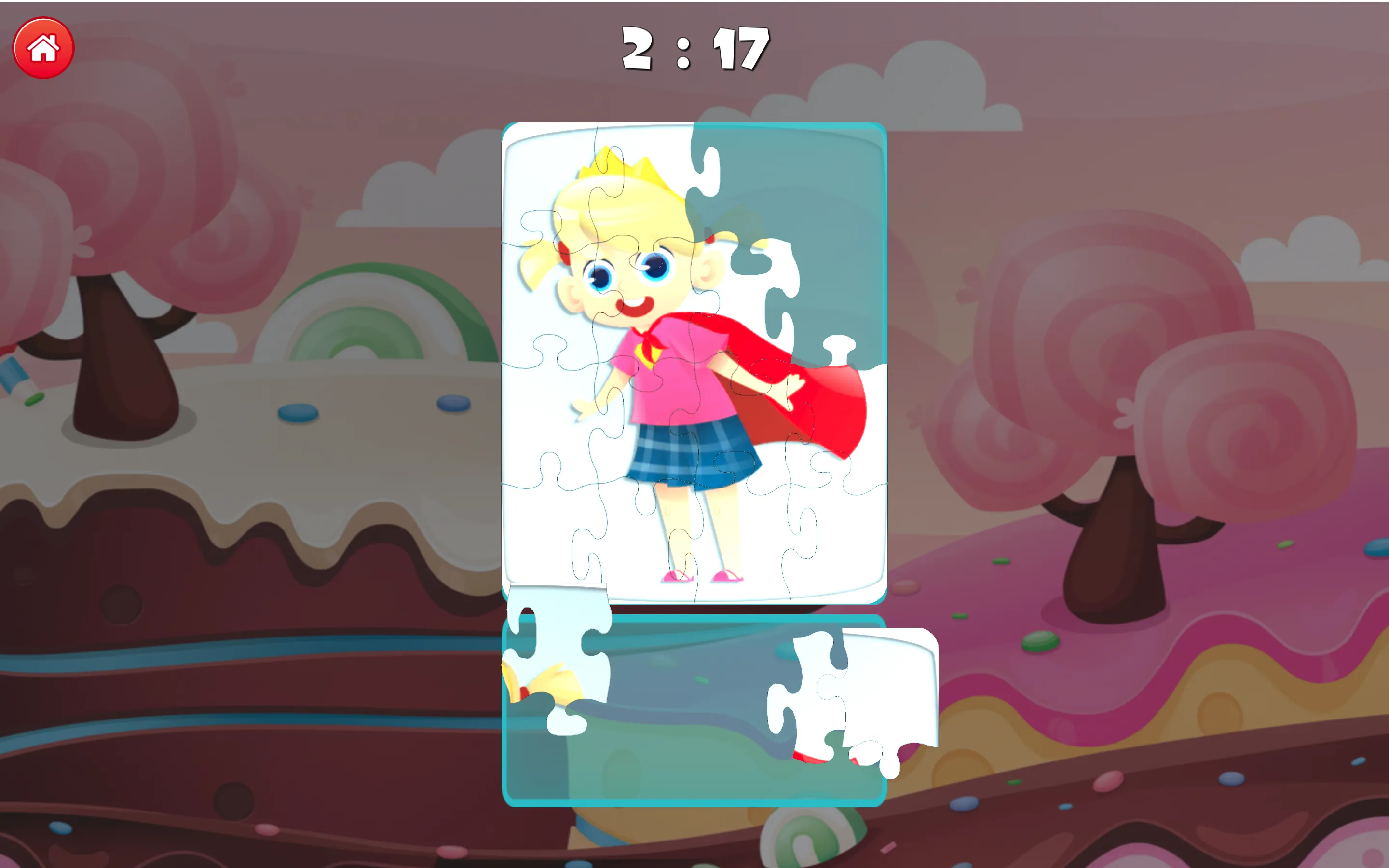
Color Grouping and Thumbnail Cross-Referencing
Once the frame is locked in, do not pick up random pieces at whim. Group your remaining interior fragments by distinct color patches and high-contrast textures:
- High-Contrast Highlights: Glowing magical energy, fiery weapon blades, and bright eyes stand out immediately against dark backgrounds. Assemble these vivid focal points first.
- Distinctive Textures: Polished steel armor plating, patterned fabric capes, and rocky cavern walls have unique grain patterns that make edge matching straightforward.
- Broad Backgrounds: Leave large swaths of uniform color: open skies, shadowed foliage, and dark dungeon walls for last. By the time you reach them, very few open slots remain, making placement automatic through process of elimination.
Regularly glance at the small reference thumbnail pinned in the corner of your HUD. Cross-referencing where a particular insignia or color gradient sits relative to the overall composition saves valuable seconds. Fast eyes, organized sorting, and frame-first assembly will keep you clearing boards with plenty of time to spare.
Epic Hero Puzzle Strategy and Player Q&A
How do you know if a jigsaw piece is in the correct slot?
When you drag a piece close to its true position on the board, it automatically snaps into place with a subtle magnetic lock and audio cue, securing it permanently onto the canvas.
What should you do if you cannot find where a piece belongs?
Do not waste precious seconds staring at one piece. Drop it back into your tray, grab an easier fragment with distinct colors, and return to the difficult piece later when more surrounding slots are filled.
Does the reference thumbnail show the complete finished artwork?
Yes. The preview image in the HUD shows the full completed illustration, allowing you to quickly verify which corner or quadrant a specific color patch belongs to.
Can you move multiple connected pieces together?
Yes. If you assemble a cluster of two or three matching fragments in the margin of the board, dragging any piece in the group moves the entire connected cluster as a single unit.