Number Consolidation and Tile Economy in Make It 9
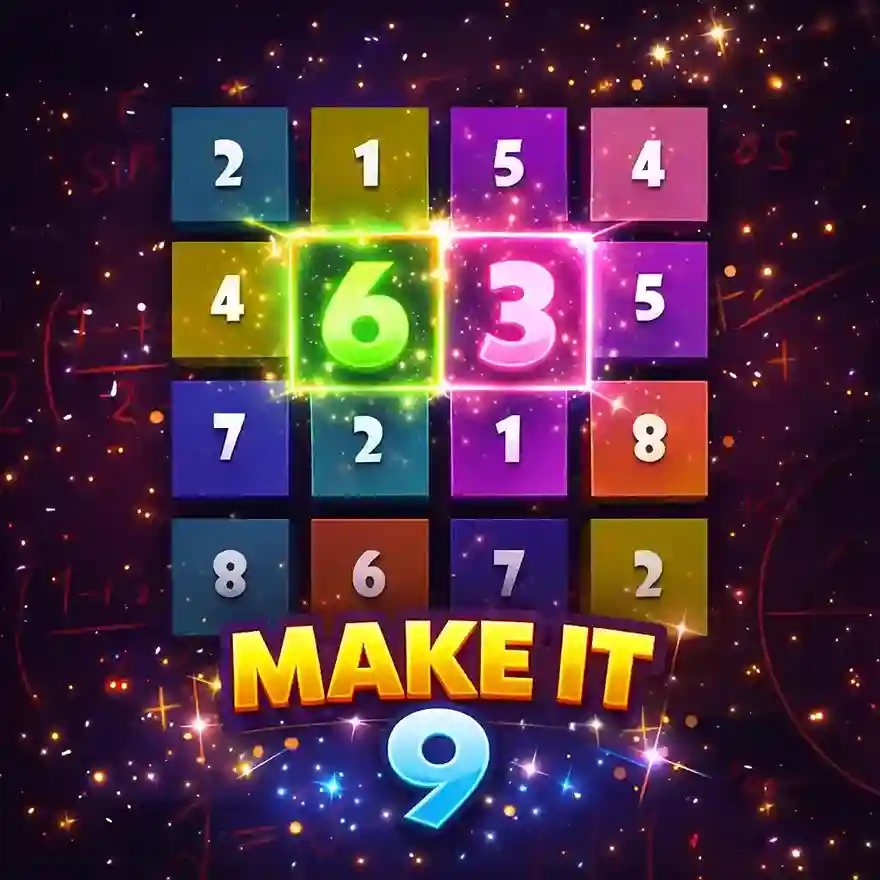
Make It 9 takes the classic sliding-tile merge concept and gives it a clear numerical focus. You are presented with a compact grid containing numbered tiles. Sliding tiles into matching or complementary values combines them into higher sums, with the ultimate objective of forming the number 9. When a 9 is formed, it clears from the board, releasing valuable real estate for new incoming numbers.
The trap in Make It 9 lies in short-term thinking. It is always tempting to combine any two numbers the moment they line up, but mindless merging quickly clogs your board. A high-value tile like a 7 or an 8 takes up an entire square and cannot combine with anything except its precise complement. If you create high numbers in awkward positions, you choke the board and cause an early game over.
Preserving Board Openings Around High Values
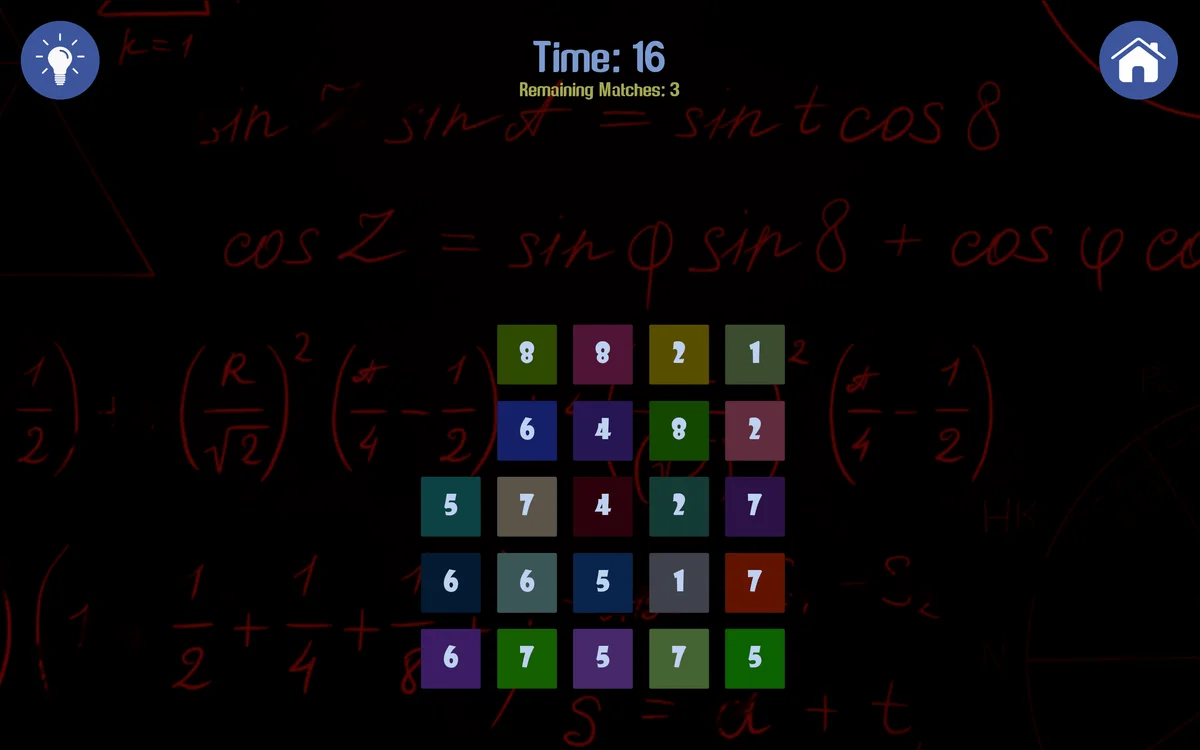
Tile economy is the real heart of the game. Every move you make introduces new tiles onto the board. If your merge rate is slower than the rate at which new tiles appear, your grid will fill up within a dozen turns. To maintain a healthy board, you must preserve clusters of open space where new tiles can maneuver.
Designate one corner of your grid as your consolidation zone. Keep your largest numbers, such as 6, 7, and 8, grouped together along one edge or in a specific corner. When high numbers are locked together in a corner, they do not get in the way of the smaller numbers rolling around the rest of the board. You can feed lower values (1s, 2s, and 3s) into the edge zone, gradually building up the exact number needed to trigger a 9 and clear the tile.
Chaining Lower Numbers Without Fragmenting Rows
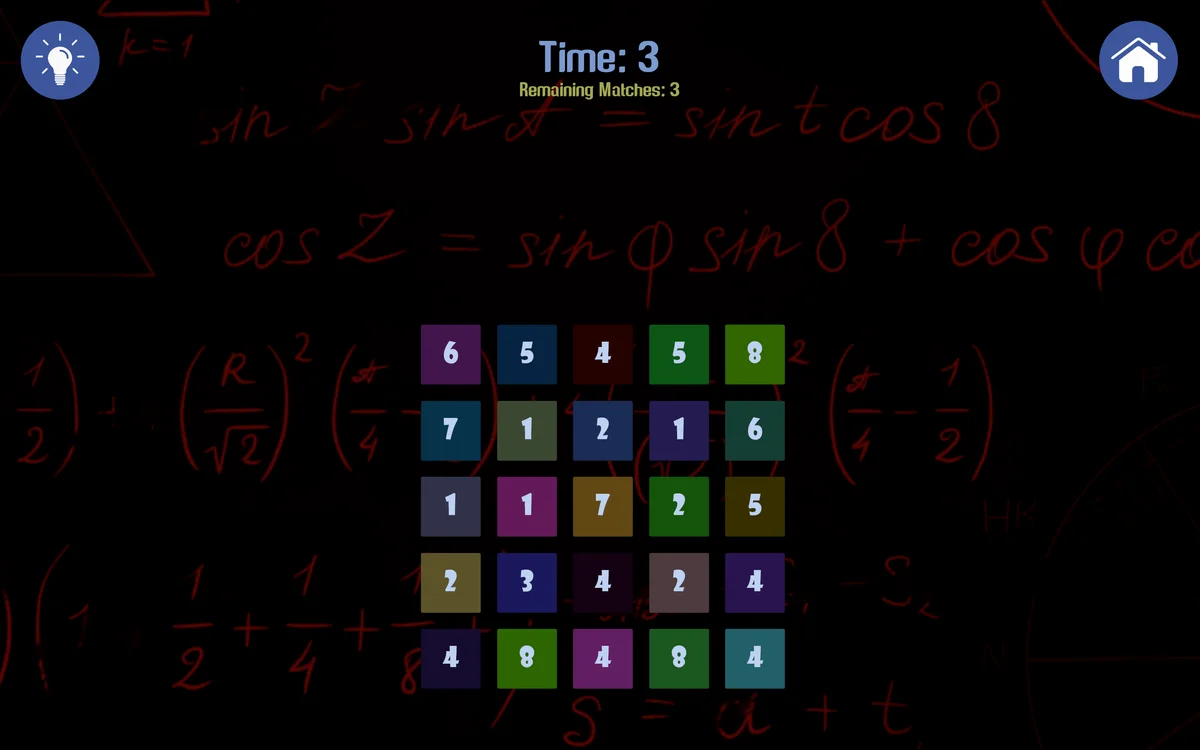
Smaller numbers provide the raw material for your puzzle engine. When merging 1s, 2s, and 3s, try to build them in sequential chains. For instance, having a 2, 3, and 4 lined up in adjacent squares lets you execute a quick cascading merge that collapses three tiles into one, freeing two squares in a single turn.
Avoid scattering small numbers between immovable high tiles. If a 1 gets trapped between an 8 and a 7 in a corner, that 1 becomes dead weight until you can somehow feed another 1 into that exact slot. Keep your low-number merges flowing through the open center of the board where you have the flexibility to slide in multiple directions.
Spotting and Preventing Grid Deadlocks
A deadlock occurs when the grid is completely full and no adjacent tiles can combine. You can spot an impending deadlock several turns before it happens: when your open squares drop below three, you are in immediate danger. At that point, stop looking for big scores and look exclusively for any move that clears at least one square.
On both mouse and mobile touch controls, swipe deliberately in straight horizontal and vertical lines. Diagonals do not exist in this grid, so swiping cleanly prevents the game from misinterpreting your intended move direction. Planning two steps ahead and keeping your highest numbers anchored to the perimeter will keep your board open and your score climbing steadily.