
Traffic Weaving and Boost Economy in Turbo Race
Turbo Race puts you in the driver seat of a high-performance sports car barreling down a crowded multi-lane highway. Your objective is simple yet demanding: cover as much asphalt as possible without crashing into other motorists. The road is populated by slow-moving sedans, wide freight trucks, and unpredictable commuter vehicles traveling at varying speeds. Passing them cleanly requires razor-sharp lane discipline and a keen sense of forward momentum.
The common mistake in endless racers is treating the accelerator as an on-off switch that must never be released. Speed is exhilarating, but survival is what ultimately posts high scores. Knowing when to ease off the throttle or tap the brakes is what separates reckless crashes from podium-worthy distance runs.
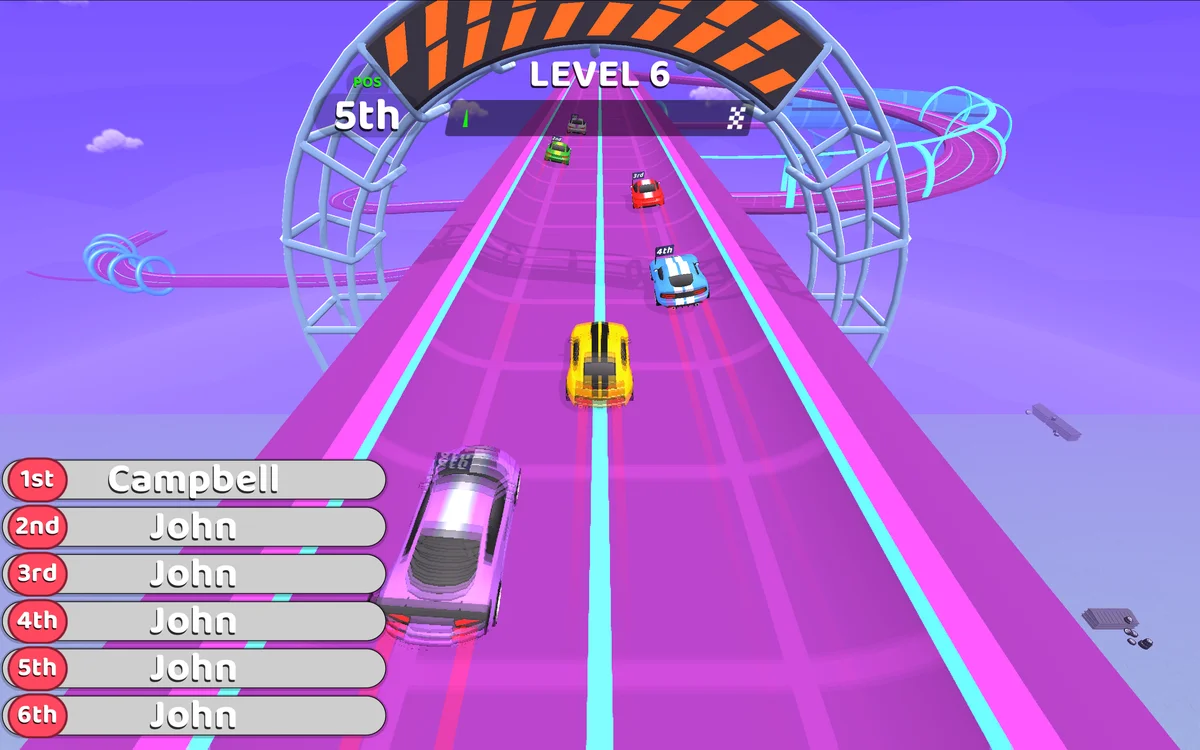
Scanning Traffic Waves Two Vehicles Ahead
Beginners tend to fixate on the rear bumper of the car directly in front of them. When that car suddenly taps its brakes or shifts lanes, the beginner has less than half a second to swerve, usually resulting in a fatal collision. To survive at triple-digit speeds, you must expand your field of vision downfield.
Look past the immediate vehicle and track traffic patterns two and three cars ahead. Watch for gaps forming between adjacent lanes. If you see a large semi-truck in the center lane closing in on a slow sedan in the left lane, you can predict that the left lane is about to choke. By shifting into the far-right lane early, you breeze past both vehicles while other racers get caught in the bottleneck.
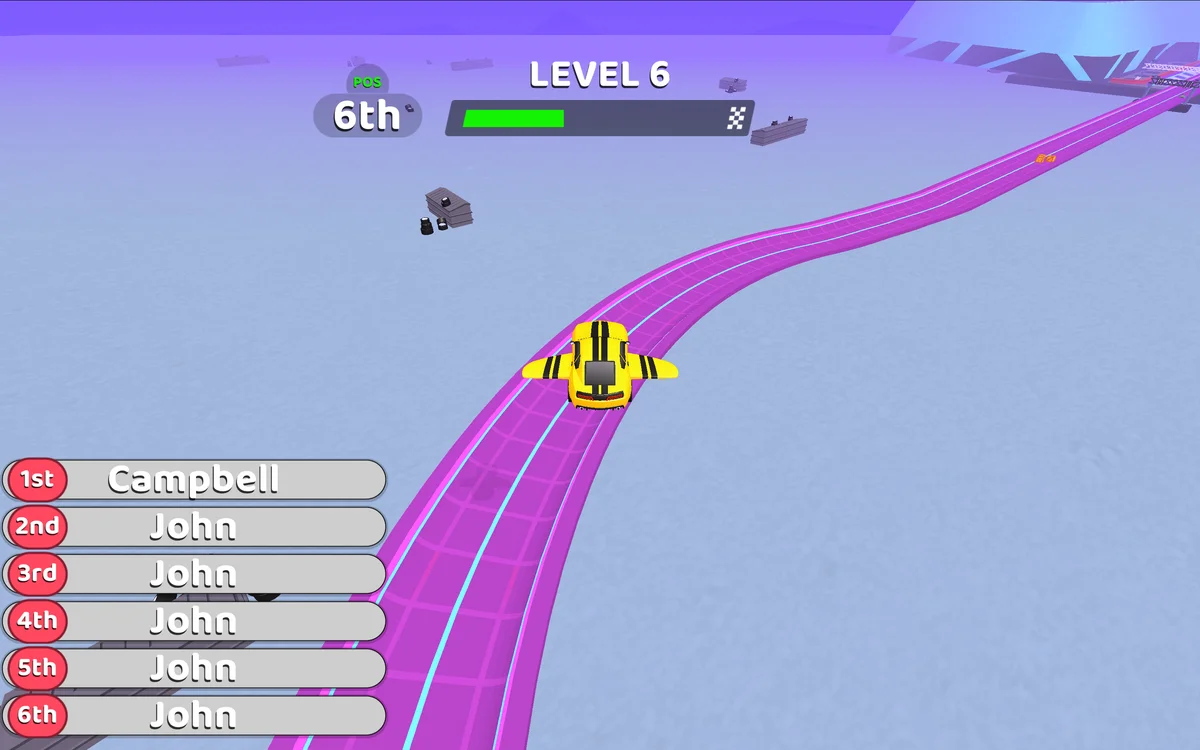
Managing Turbo Boost and Braking Windows
Glowing blue nitro canisters spawn periodically along the asphalt. Collecting them fills your turbo reservoir, allowing you to hit warp speed with the touch of a button. However, firing off your boost in heavy traffic is a recipe for disaster: at boosted speeds, your reaction window drops to near zero.
Treat turbo boost as a highway clearing tool. Save your boost until you spot an extended stretch of open asphalt or a wide gap between traffic waves. Once you punch the boost, focus entirely on holding your line. If a car enters your lane while boosting, a quick, gentle tap of the steering key is far safer than a wide swerve that can send your vehicle spinning into the guardrails.
Lane Discipline on Mobile and Desktop
On desktop keyboards, tap the arrow keys in quick, rhythmic pulses to shift lanes. Avoid holding the key down, which can slide your car across two full lanes into oncoming hazards. On mobile devices with tilt or touch controls, smooth, small inputs will keep your chassis stable.
Always maintain an escape route. Whenever you pull alongside another car, ensure the lane on your other side is clear. If that car suddenly drifts toward you, having open shoulder space lets you dodge safely without scrubbing speed. Steady steering and smart boost timing will turn your Turbo Race runs into masterclasses of highway navigation.